Astronauts Are Going Back to the Moon For The First Time in Half a Century and this time with there iPhone and Android phones
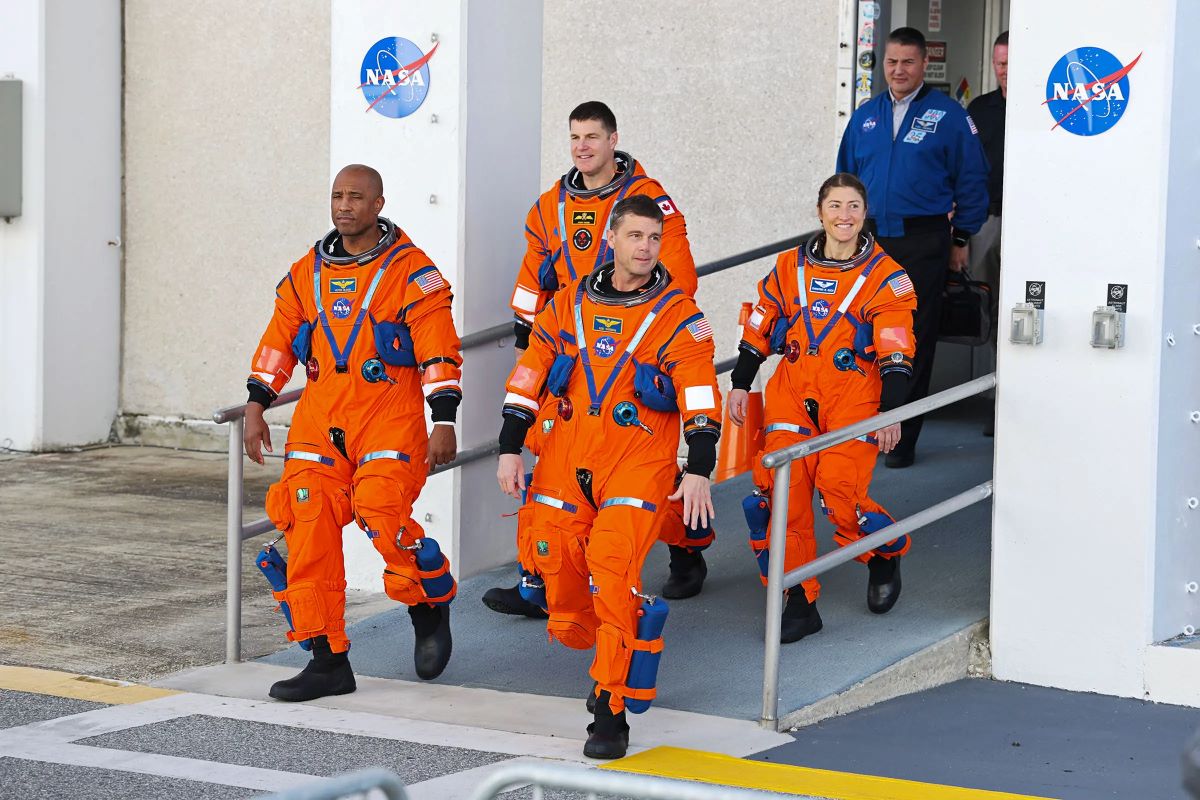
In 1968, the astronauts of Apollo 8 looked out their windows and saw the Earth rising over the lunar horizon—a moment captured on specialized, bulky film cameras. This year, when the crew of Artemis II makes that same journey for the first time in over half a century, they’ll be reaching for something much more familiar: their iPhones and Androids.
The year 2026 is shaping up to be a historic redemption of the lunar trail. Here is how humanity is returning to the Moon—with 21st-century tech in tow.
The Mission: A High-Stakes Slingshot
As soon as March 2026, the crew of Artemis II will head moonward. While this isn’t the first human expedition to the Moon, it is the first since Apollo 17 returned in 1972. For 54 years, the translunar trail has been dark; Artemis II is the spark that relights it.
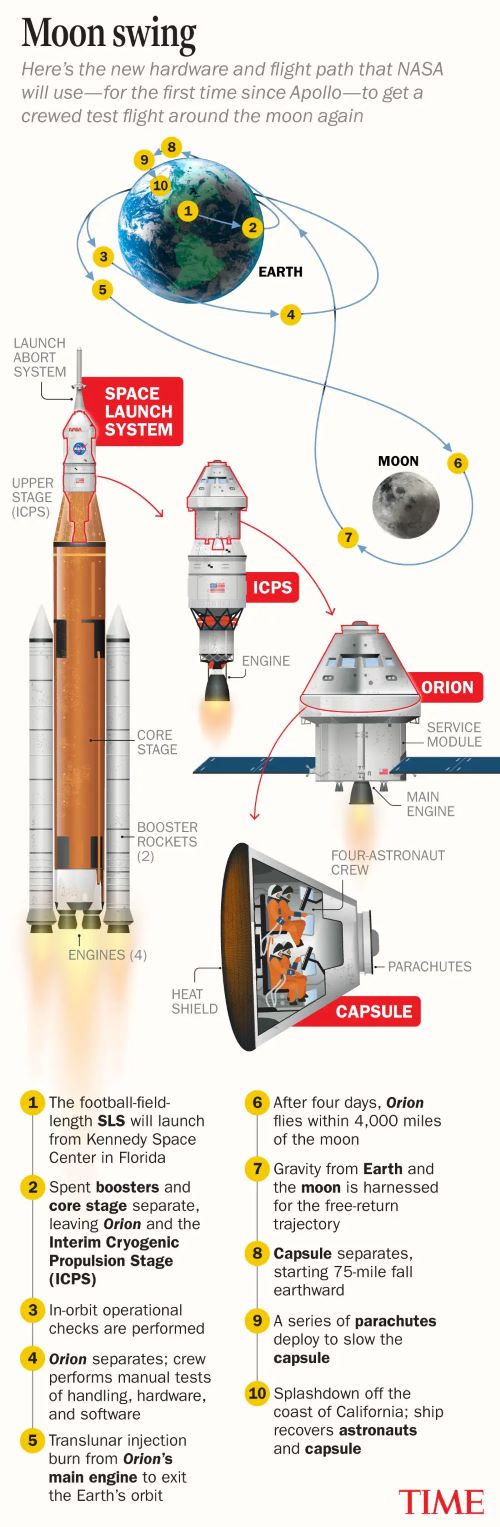
The mission follows a "safe" trajectory that NASA’s early legends once debated. Instead of firing a massive engine to settle into lunar orbit (the "scary" profile), Artemis II will perform a Lunar Free-Return Trajectory. The spacecraft will whip once around the Moon’s far side, using lunar gravity to slingshot itself back toward Earth.
Key Mission Stats:
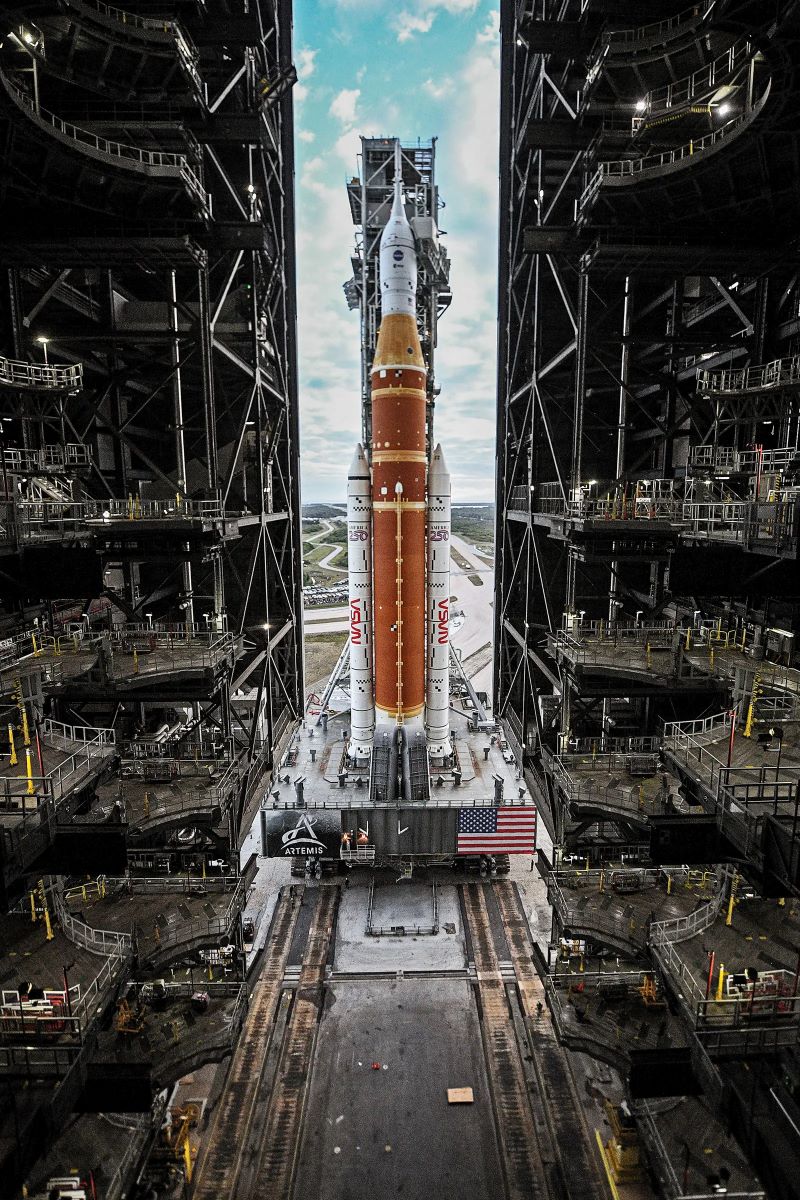
The Rocket: The Space Launch System (SLS) produces 8.8 million lb. of thrust, surpassing the legendary Saturn V.
The Distance: The crew will travel 4,700 miles beyond the far side of the Moon—farther than any human has ever traveled.
The Heat: Upon return, the Orion capsule will hit the atmosphere at 25,000 mph, enduring temperatures of 5,000°F—half as hot as the surface of the sun.
A Crew That Looks Like Us
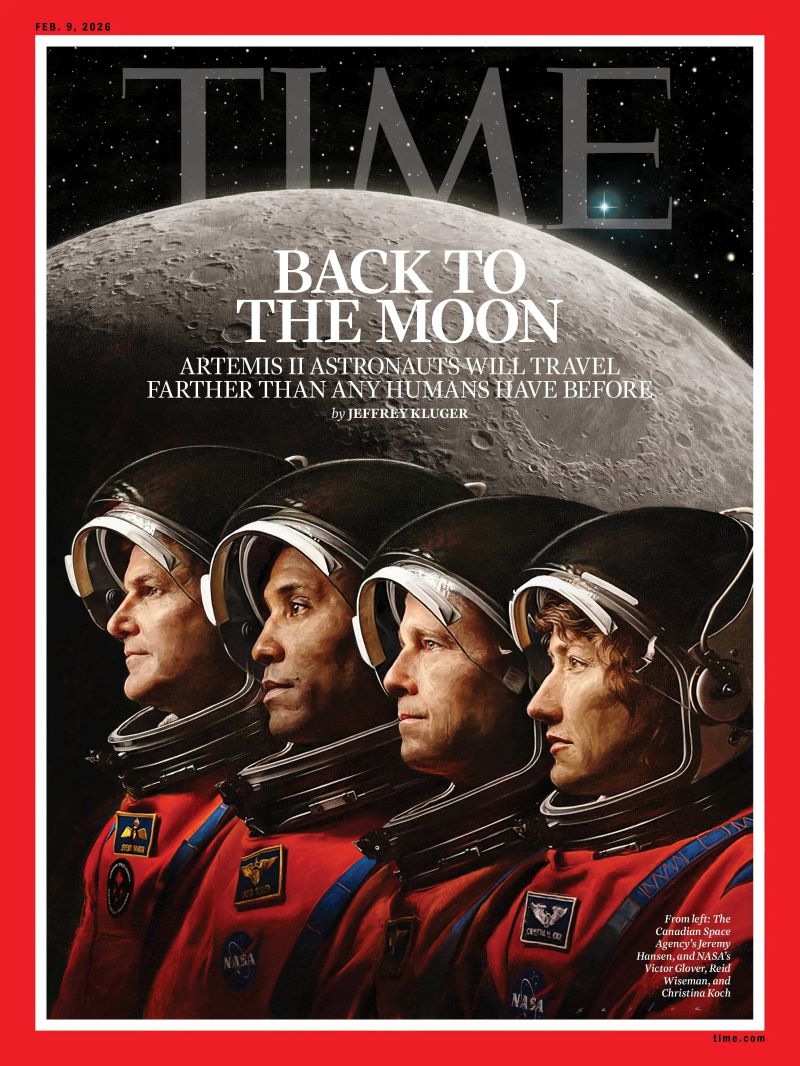
Humanity has changed an awful lot in the last five decades, and the crew of Artemis II reflects that. While the Moon remains the same, the people visiting it no longer fit a single mold:
- Christina Koch: The first woman to go to the Moon.
- Victor Glover: The first person of color to leave Earth’s orbit.
- Jeremy Hansen: The first non-American (Canadian) to make the trip.
As Victor Glover noted, "You could reach in and grab any four people and they would look like this crew." It is a mission designed for all of humanity.
Space Selfies: The Smartphone Revolution
Perhaps the most "2026" aspect of the mission is the gear. For decades, NASA relied on arcane, specialized equipment—often decade-old DSLRs—because qualifying new tech for space took years of bureaucracy.
That changed this month. NASA Administrator Jared Isaacman announced that astronauts on Artemis II (and the upcoming Crew-12) are officially allowed to bring commercial iPhones and Android devices.
“We are giving our crews the tools to capture special moments for their families and share inspiring images and video with the world,” Isaacman shared on X.
Why this matters:
- Spontaneity: Instead of planned, clinical shots, we will see raw, wide-angle selfies and "Zero-G TikToks" that make space feel relatable.
- Modern Optics: Modern smartphones feature computational HDR and Night Mode that actually outperform the older GoPros and Nikons previously used.
- Bureaucratic Speed: This marks a shift in NASA's culture, proving they can qualify modern hardware on an "expedited timeline" rather than waiting years for safety checks.
The Next Giant Leap
Artemis II is the ultimate "shakedown cruise." Its success is the green light for Artemis III, IV, and V, which will eventually put boots back on the lunar soil.
When Reid Wiseman, Victor Glover, Christina Koch, and Jeremy Hansen look back at a "Blue Marble" Earth from 250,000 miles away, they won't just be recording it for history books—they’ll likely be texting the photo to their families.
It is fascinating to see how far we’ve come in 58 years. When the Apollo 8 astronauts went around the Moon, they were essentially flying a high-performance analog machine. Today, the Artemis II crew is flying a digital powerhouse.
Here is a breakdown of the technology jump between these two era-defining missions.
Technology Comparison: Apollo 8 vs. Artemis II
| Feature | Apollo 8 (1968) | Artemis II (2026) |
| Launch Vehicle | Saturn V (7.5 million lb thrust) | SLS Block 1 (8.8 million lb thrust) |
| Spacecraft | Apollo Command Module (Analog) | Orion Capsule (Digital "Glass Cockpit") |
| Habitable Volume | ~210 cubic feet (Tight for 3) | 316 cubic feet (Roomier for 4) |
| Computing Power | 64 KB memory, 0.043 MHz | 128,000x more memory; 20,000x faster |
| Power Source | Fuel Cells (limited life) | Solar Wings (renewable energy) |
| Toilet | Plastic bags (The "relief tube") | Universal Waste Management System |
| Communications | Grainy voice/stills (S-band) | High-speed Laser (O2O) (260 Mbps) |
| Camera Gear | Hasselblad Film & 16mm motion | Nikon D5/Z9 & iPhones/Androids |
| Heat Shield Max | ~4,000°F (~2204°C) | ~5,000°F (~2760°C) (Faster reentry speed) |
Key Tech Upgrades to Watch For
- The "Glass Cockpit" vs. The Wall of Switches
In 1968, Frank Borman and his crew were surrounded by hundreds of physical toggle switches and circuit breakers. If one failed, they had to troubleshoot it manually. The Orion spacecraft replaces almost all of that with three large high-resolution touchscreens and a "fly-by-wire" system. It’s essentially the difference between a vintage 60s radio and a modern Tesla.
- Laser Communications (O2O)
While you mentioned the iPhones, the way those photos get back to Earth is also revolutionary. Artemis II will test the Orion Artemis II Optical Communications (O2O) system. Instead of just radio waves, NASA will use lasers to beam data back at 260 megabits per second. This is why we can expect 4K video from the far side of the Moon almost in real-time.
- The Solar Wing Revolution
The Apollo Service Module used fuel cells that created water as a byproduct but had a very strict "use by" date. Orion uses four 7-meter solar wings that unfold like petals. This allows the ship to stay powered indefinitely as long as it can see the sun, making it a much more sustainable "lifeboat" for the crew.
- The Comforts of Home (Relatively)
As your draft noted, the "human" side of the mission has changed. Beyond just the demographic shift, the physical experience is better. Apollo 8 didn't have a real toilet or an exercise area. Artemis II features a compact toilet (similar to the ISS) and a dedicated workout space to keep the crew’s muscles from withering during the 10-day trip.
When the Artemis II mission launches next month in March 2026, the world won’t just be watching through a telescope—we’ll be watching through a smartphone screen.
For the first time ever, NASA has officially cleared astronauts to bring personal iPhones and Android devices into deep space. This policy shift, led by NASA Administrator Jared Isaacman, is designed to make space more relatable and personal.
Here is what the world’s first "Lunar Feed" might actually look like.
The Crew to Follow on SOME
Before they blast off, you can follow the official accounts of the four pioneers who will be capturing this historic footage:
- Commander Reid Wiseman: @astro_reid (Instagram)
- Pilot Victor Glover: @astrovicglover (Instagram / X)
- Mission Specialist Christina Koch: @astro_christina (Instagram / X)
- Mission Specialist Jeremy Hansen: @astro_jeremy (Instagram / X)
Coming Soon to Your Timeline: Lunar "Content"
With 4K video, ultra-wide lenses, and computational "Night Mode" in their pockets, the crew will likely share moments that were impossible to capture during the Apollo era:
The "Blue Marble" Selfie: Imagine Christina Koch using an iPhone’s 0.5x ultra-wide lens to capture herself with the entire curve of the Earth visible through the Orion window.
Zero-G TikToks: From floating candy to the "liquid water ball" trick, expect the crew to use the familiar vertical video format to show what life is like in a lopsided orbit 46,000 miles up.
Moonlight Mode: Modern smartphones are incredible in low light. We might finally see clear, handheld video of the lunar "far side" peaks while the craft is in the Moon's shadow.
The "Unboxing" of Space: Watch for the crew to share "day in the life" clips of their space food, their workout routines, and the compact "Universal Waste Management System" (the space toilet).
Why "Social Media" Matters for NASA
In the 1960s, space felt like a military operation. In 2026, NASA wants it to feel like a human journey.
"We are giving our crews the tools to capture special moments for their families and share inspiring images and video with the world,"
says NASA Admin Jared Isaacman.
By bypassing the old, slow process of qualifying specialized cameras, NASA is betting that the most powerful way to inspire the next generation is through the devices that are already in that generation's pockets.