

Is It Safe to Cut Mold Off Cheese?
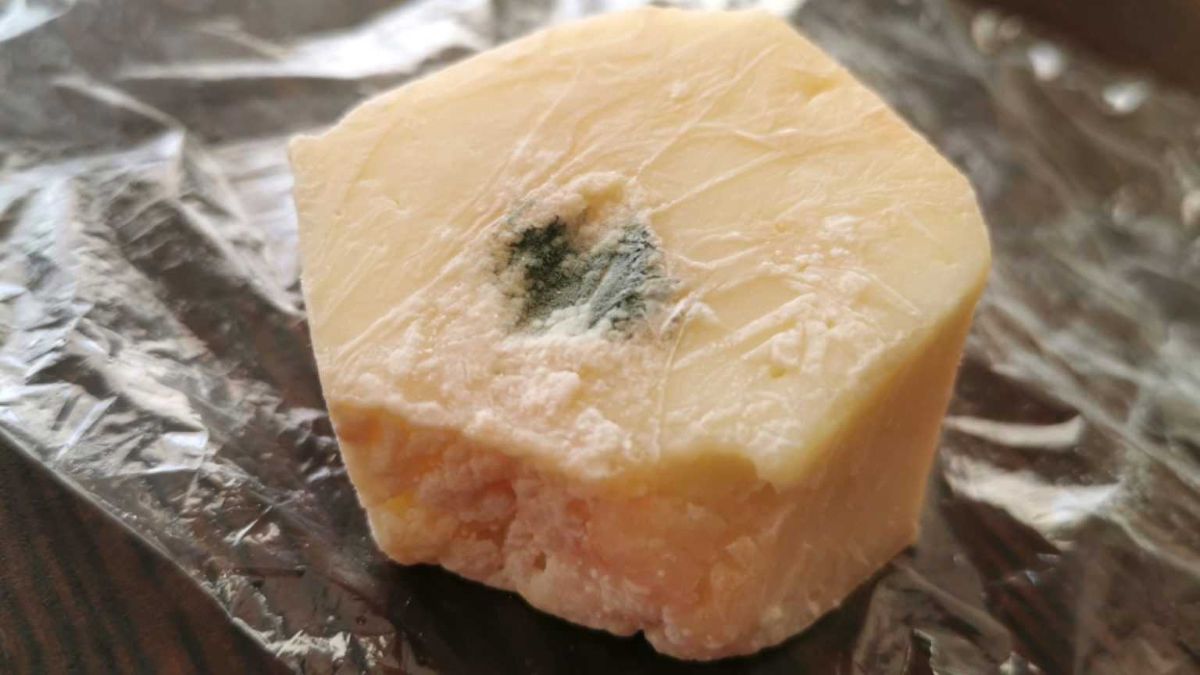
Finding unexpected fuzz on your favorite wedge of cheese can ruin a snack craving real fast. But before you chuck the whole thing, your decision to trim or toss comes down to one major factor: moisture.
My fathers rule very simply
- Hard cheeses like cheddar and Parmesan: Simply cut away the affected area.
- Soft cheeses, such as Brie and Camembert, if mold develops, it’s safest to discard the entire cheese to avoid potential food safety risks.
These are my fathers word, who was a diary engineer, teaching making cheese at the University, as he was a lecture in agriculture collage. So here is a wrapup.
The Good
Hard Cheeses are Salvageable: Blockbuster hard and semi-hard cheeses like Parmesan, Cheddar, Gouda, Pecorino, Gruyère, Manchego, and Emmental have low moisture and a dense structure. Unwanted mold has a tough time penetrating below the surface, meaning the rest of the block is usually completely safe.
The Easy Trim Method: You can safely rescue hard cheese by cutting away at least 1 to 2 inches around and below the moldy spot. Keep your knife clean and out of the mold itself so you don't spread spores to the pristine parts, then wrap the salvaged cheese in fresh plastic wrap and refrigerate.
The Bad
Shallow Trimming Comes with Risks: Official USDA guidance recommends a full 1-to-2-inch buffer, but home cooks with smaller blocks often trim right around the spot. While practical, making a shallow cut falls outside standard safety guidelines and carries a higher risk of leaving microscopic mold roots behind.
Pre-Cut and Shredded Cheese is Lost: If you spot mold on shredded, crumbled, or pre-sliced cheese (even if it's a hard cheese like Cheddar), it’s a lost cause. The high surface area allows mold and spores to travel effortlessly through the entire bag.
The Ugly
Soft Cheeses are a Toss-It Hazard: High-moisture soft cheeses—like Brie, Camembert, fresh Mozzarella, Burrata, Feta, Chevre, and Cream Cheese—are a haven for rapid mold and bacterial growth. Mold hyphae (roots) spread far beneath what your eyes can see, carrying potential health risks like mycotoxins, which are especially dangerous for pregnant individuals, young children, and immunocompromised people.
Full Spoilage Indicators: If any cheese has extensive mold coverage, a sour or off-putting odor, or significant changes in color and texture, do not try to save it. Cut your losses and throw the entire piece away immediately.
Can you prevent mold from you cheese?
Preventing mold starts with controlling moisture, air exposure, and temperature. Here is how to keep your cheese fresh for as long as possible:
1. Ditch the Plastic Wrap
Wrapping cheese directly in tight plastic wrap traps excess moisture and suffocates the cheese, creating the exact humid environment mold thrives on. It can also make the outer layer taste like plastic.
2. Use Cheese Paper or Parchment
Breathable Barrier: Wrap your cheese in specialty cheese paper or standard parchment/baking paper, followed by a loose outer layer of aluminum foil or a loose plastic bag.
Why it works: This allows the cheese to "breathe" without drying out, letting trapped ammonia gas escape while regulating humidity.
3. Store in the Crisp Drawer
The main body of your fridge is usually too cold and dry, while the door fluctuates in temperature every time it opens. The vegetable/crisper drawer provides a slightly warmer, stable temperature with consistent humidity.
4. Separate Your Cheeses
Blue and Bloomy Rind Cheeses: Keep cheeses with active, intentional molds (like Blue, Brie, and Camembert) wrapped separately from hard, low-moisture cheeses so spores don't migrate.
Fresh Cheeses: Keep items like feta, ricotta, and fresh mozzarella submerged in their original brine or liquid, and change the liquid every few days if kept for an extended period.
